Before a mixed wash
Group by color, then compare wash temperatures and programs. Similar colors do not always mean compatible care requirements.
THE CARE GUIDE
Preventing color transfer and dealing with an already affected garment are different tasks. Start with sorting and care labels, then choose the wash process. Color-care products are one part of that routine, not permission to mix every garment.

Separate whites, lights and darks
Check new items and special care instructions
Pause heat drying if you notice color transfer
Your situation
Group by color, then compare wash temperatures and programs. Similar colors do not always mean compatible care requirements.
Look for instructions such as “wash separately.” Follow the label for its first wash rather than assuming it behaves like older clothes.
Separate the affected items and remove the suspected dye source. Avoid tumble drying or ironing while you check the labels and choose an appropriate rewash.
Care steps

Before you start
Check new items and special care instructionsCheck dry-clean-only and separate-wash instructions, temperature limits and bleach restrictions. Set aside items unsuitable for machine washing.
Separate whites, lights and darks. Consider towels, delicate fabrics and garments that need a different program as separate groups.
Follow the sheet label for quantity and placement. Do not assume color-care sheets reverse existing dye transfer or replace sorting.
Load according to the machine manual. Choose a temperature and program suitable for every item in the group and the products used.
Remove the load promptly and check light areas, collars and contrasting seams. Deal with unexpected color before heat drying or ironing.
Common mistakes
A care product does not override instructions to wash separately.
Check fibers, prints, stretch content and the care label; white color alone is not enough.
Pause added heat when color transfer is visible rather than drying to assess the result.
Products
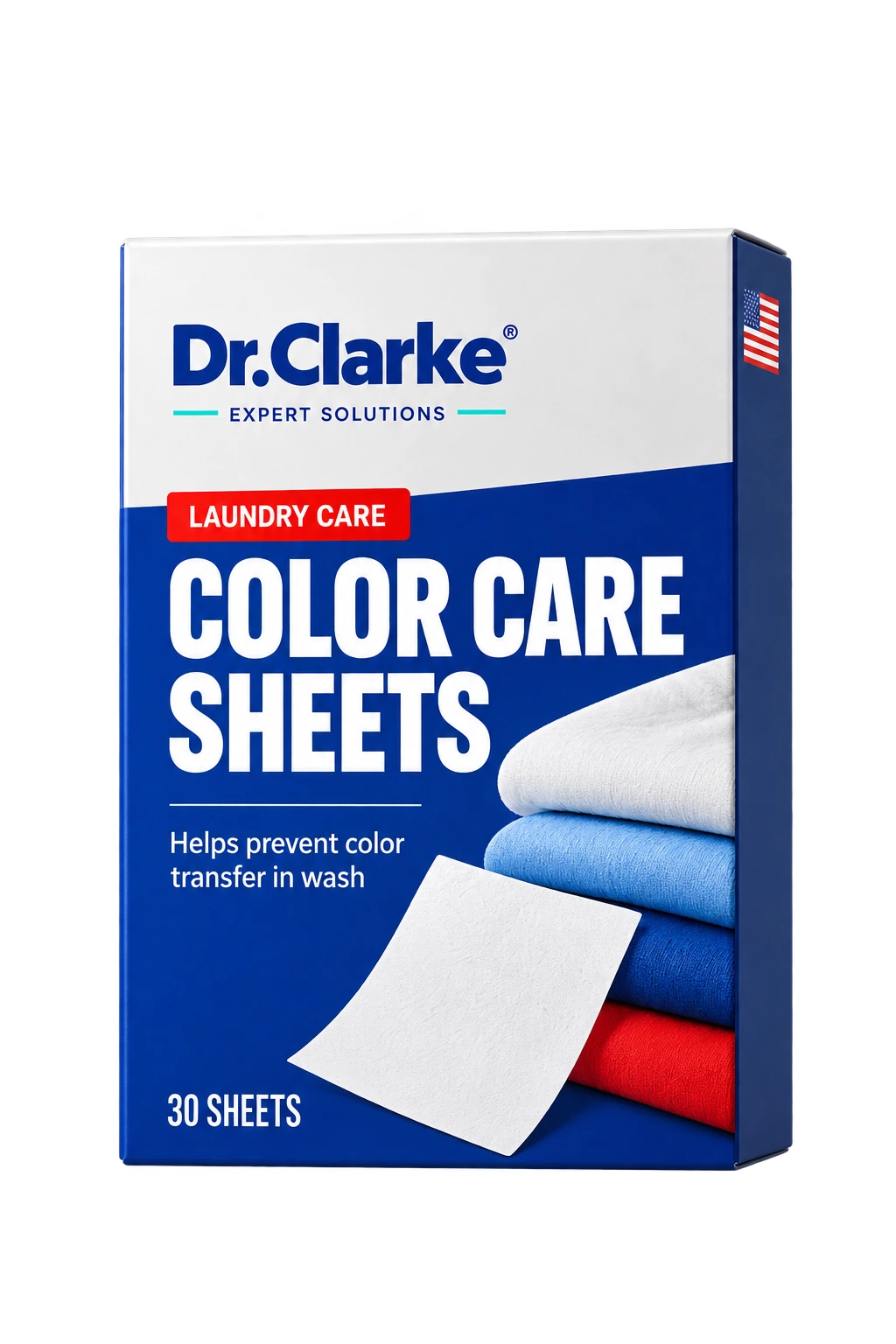
A color-care option during washing. It does not replace sorting or establish a claim to reverse existing dye transfer.
View product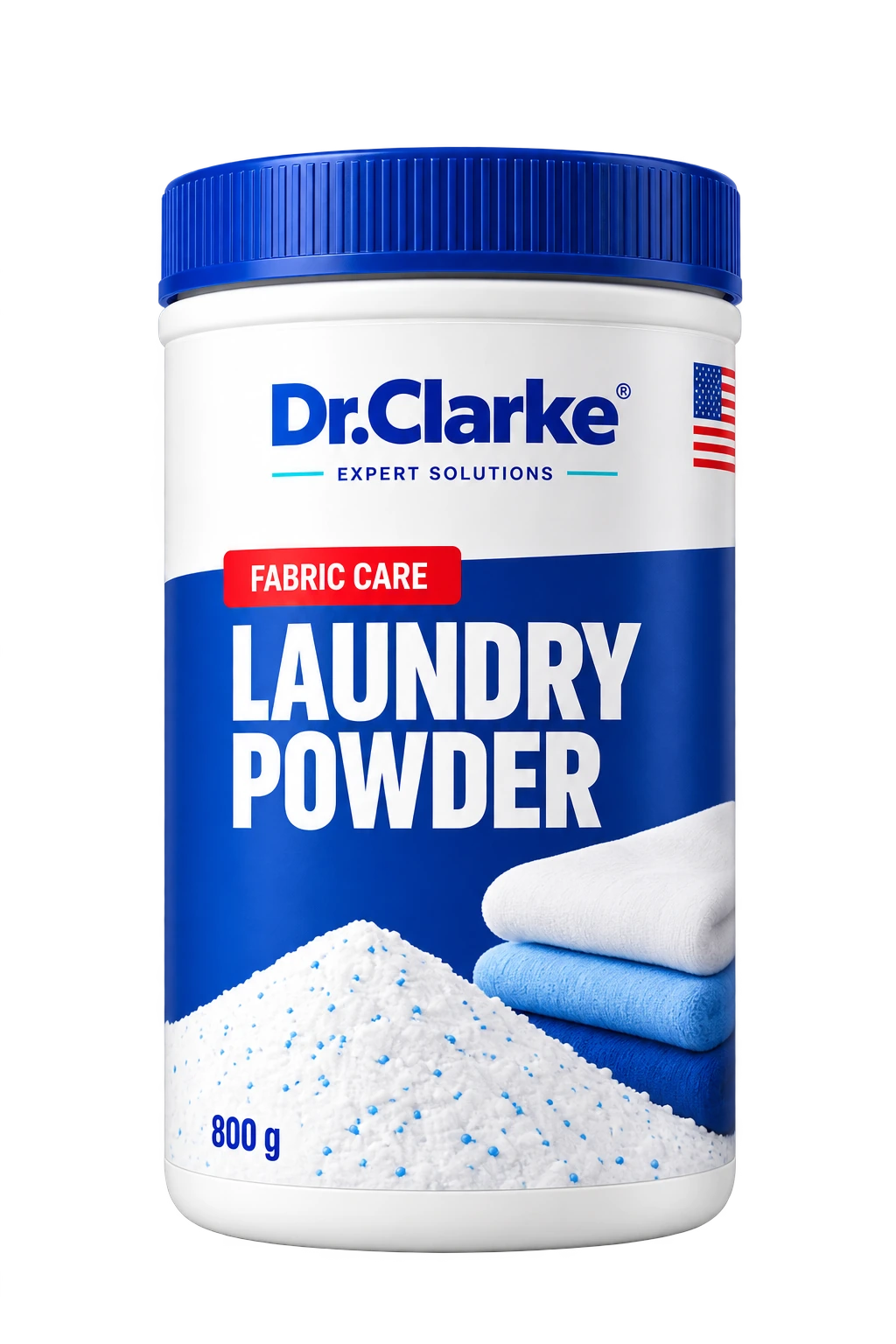
For routine fabric care. Check the final label for suitable garments, dosing and whether it accompanies detergent.
View productThese are care options; suitability and performance depend on the final product label.
Final check
Tick each item as you complete it.
Questions
No. The sheet’s appearance does not prove that every garment is unaffected. Inspect the clothes and continue sorting by color and care needs.
No guarantee is possible. Results depend on the dye, fabric and prior treatment. Avoid heat and follow suitable rewash instructions or seek professional care. Do not combine stain-removal or bleach products.
Its own care instructions take priority. Wash separately if directed; do not group it only by the color covering the largest area.
No. Water temperature is only one factor; color stability, time and garment instructions still matter.
THE CARE GUIDE

Gently blot excess oil with a clean paper towel, then choose a pretreatment suitable for the fabric’s care label. Avoid high-heat drying before the stain has been treated.

Remove loose residue first, then choose a cleaner compatible with the surface. Follow the product label for any surfaces that come into contact with food.

Check the door seal, detergent drawer and filter areas. Clean and ventilate regularly according to the appliance instructions.