A fresh oil spot
Use clean absorbent paper to gently blot excess oil. Lift away loose food first, without wiping the mark across a wider area.
THE CARE GUIDE
For an oil mark, deal with excess oil first and then decide how to wash. A fresh spill, a mark left after washing and a delicate fabric require different starting points. Avoid rushing into aggressive rubbing or high-heat drying.

Blot excess oil without spreading it
Check the fabric and product before pretreating
Inspect the result before applying heat
Your situation
Use clean absorbent paper to gently blot excess oil. Lift away loose food first, without wiping the mark across a wider area.
Avoid high-heat drying. Check whether the fabric and product allow another pretreatment and wash; do not layer different cleaning chemicals.
Do not apply a general cotton-care routine. Check the label and consult a professional when unsure, explaining the stain and any products already used.
Care steps

Before you start
Check the fabric and product before pretreatingCheck both sides and the surrounding fabric in good light. Remove the garment before treating unless the label explicitly permits another method.
Use clean, non-color-transferring paper or cloth. Move to a clean area of the cloth as it absorbs oil.
Check both labels and test a hidden area. Follow the product’s amount, contact time and rinsing requirements.
Choose compatible detergent, cycle and temperature. Do not increase concentration or heat simply because oil is difficult to remove.
If residue remains, avoid immediate high-heat drying or ironing. Follow the instructions when deciding whether to repeat care or seek help.
Common mistakes
A surface cleaner is not automatically a textile stain remover.
Strong friction can affect the fabric surface; keep treatment within the garment’s care limits.
Do not mix cleaners or replace the stated contact time with a longer soak.
Products
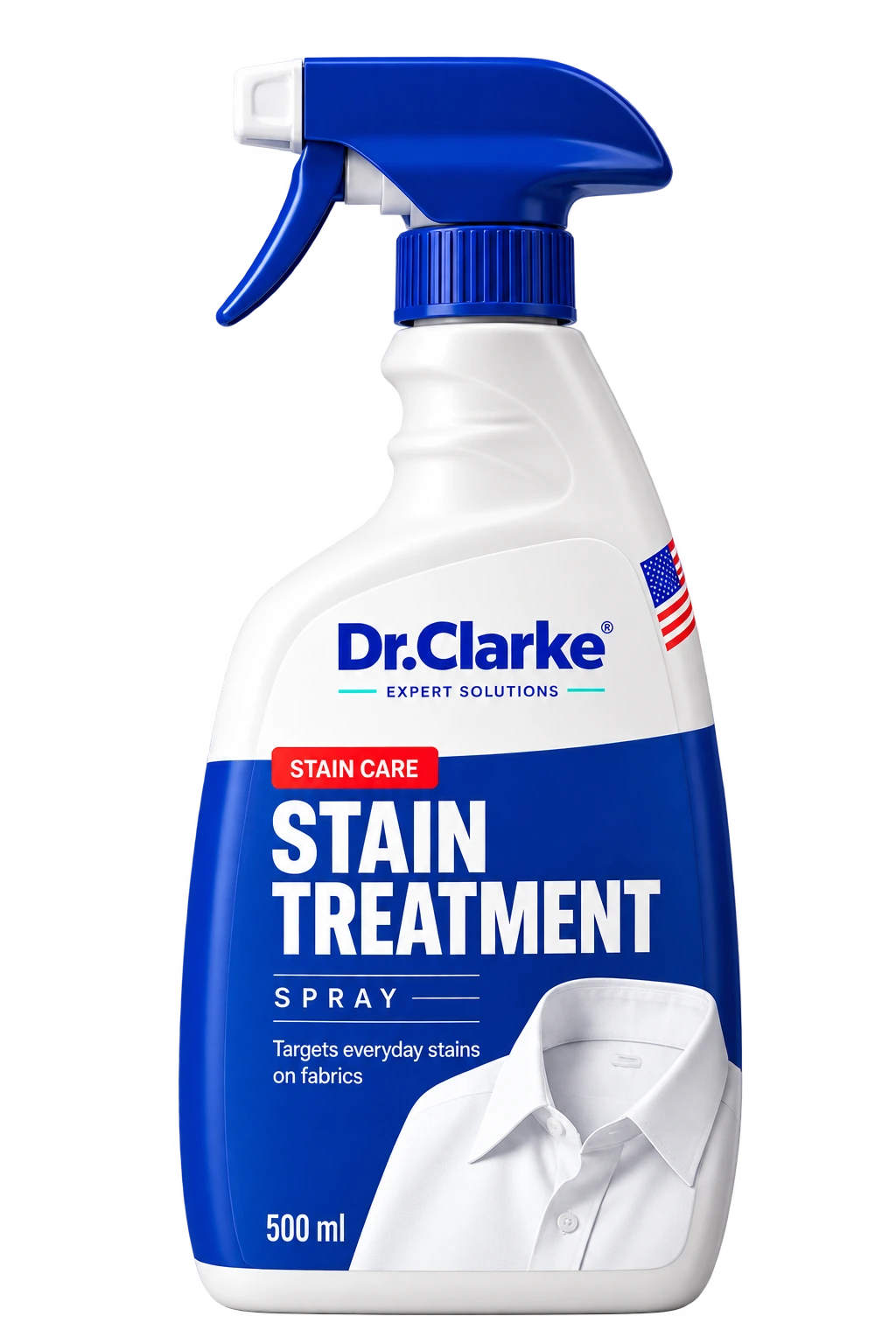
A local care option before washing. Follow its label for fabric suitability, quantity and contact time.
View product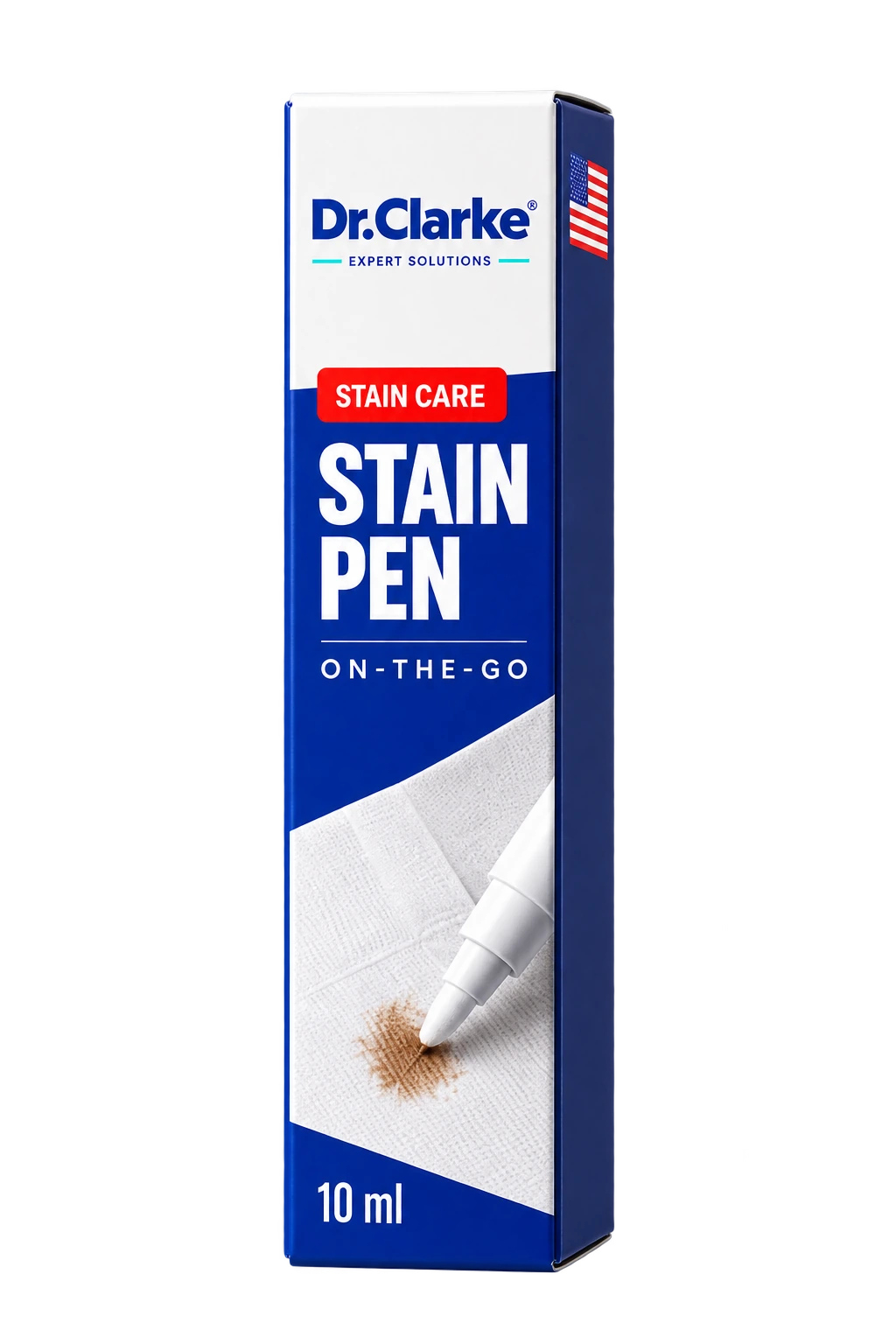
Portable care for small areas. Confirm suitability and complete any follow-up washing required.
View productThese are care options; suitability and performance depend on the final product label.
Final check
Tick each item as you complete it.
Questions
Do not treat it as a universal fabric-care method. Confirm the textile and product use; machine washing also has detergent and foaming requirements.
No. Previous heat treatment and unknown fabrics complicate care. Follow the labels and consult a professional if repeated permitted treatment does not help.
It is a local-care format. The garment and product instructions determine whether further washing is required.
It helps reveal color or surface changes. A test does not guarantee compatibility with every panel, print or special finish.
THE CARE GUIDE
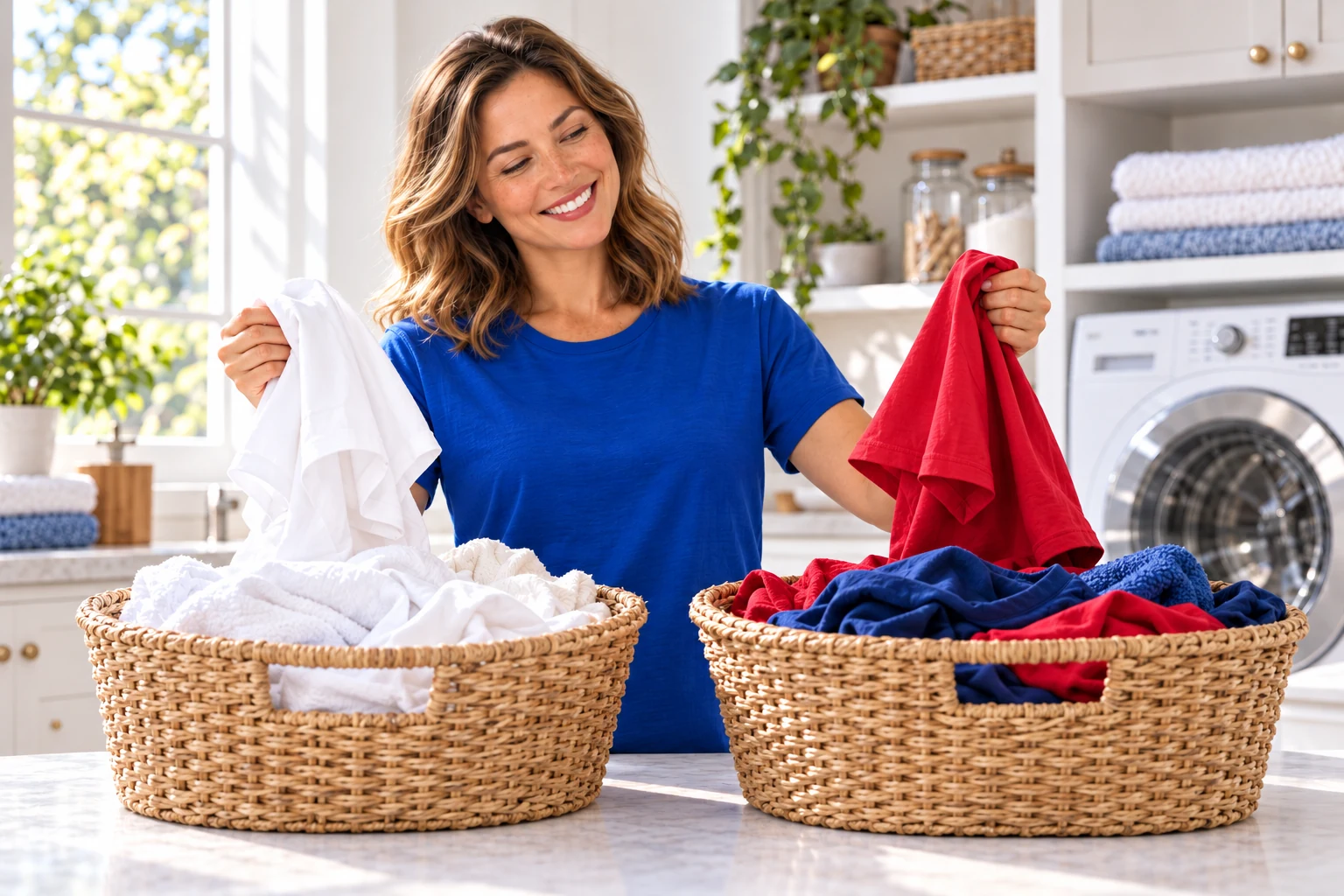
Sort laundry by color and care requirements first. When using color care products, continue to follow both the garment and product instructions.

Remove loose residue first, then choose a cleaner compatible with the surface. Follow the product label for any surfaces that come into contact with food.

Check the door seal, detergent drawer and filter areas. Clean and ventilate regularly according to the appliance instructions.